

From May 22 to 24, Cercle Festival returned to the iconic National Air & Space Museum of France for its most ambitious edition to date, bringing together a global community for three days of music, art, gastronomy and cultural discovery under clear blue skies.
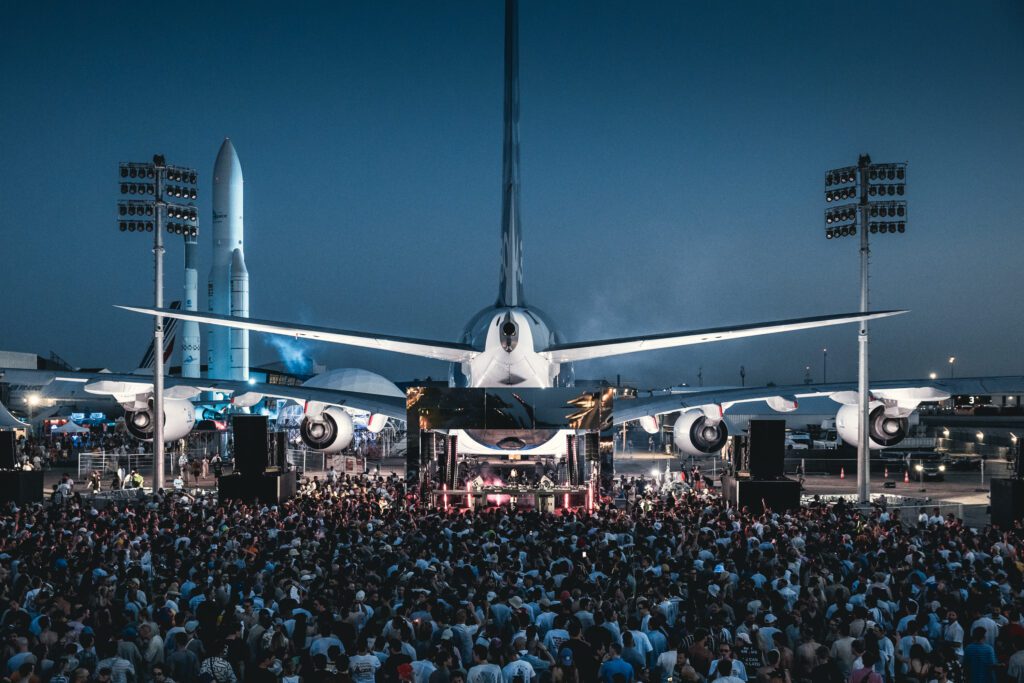
With three large-scale stages; A380, Concorde and Ariane, and more than 43 international artists performing throughout the weekend, Cercle Festival 2026 marked a new milestone in the evolution of the event.
Artists including Eric Prydz, ARTBAT, Monolink, Ben Böhmer, ANNA, Kölsch, Lane 8, Michael Bibi, Adriatique, Miss Monique, Thylacine and Sama’ Abdulhadi delivered performances surrounded by legendary aircraft, rockets and monumental audiovisual scenography, creating a unique dialogue between sound, architecture and history.
AN EDITION OF UNPRECEDENTED SCALE
As part of its anniversary edition, Cercle Festival expanded its vision and production scale further than ever before. Across three days, 54 000 of attendees explored multiple immersive environments, large-scale stage productions and curated experiences spread across one of France’s most emblematic cultural sites.
Designed as more than a traditional music festival, the event combined electronic music performances with artistic installations, culinary experiences, educational activations and conversations around science and exploration, reaffirming Cercle’s commitment to building multidisciplinary cultural experiences.
“Cercle has always aimed to create experiences that go beyond music,” said the festival team. “This edition reflected our desire to connect people emotionally through culture, heritage and shared moments in extraordinary places.”
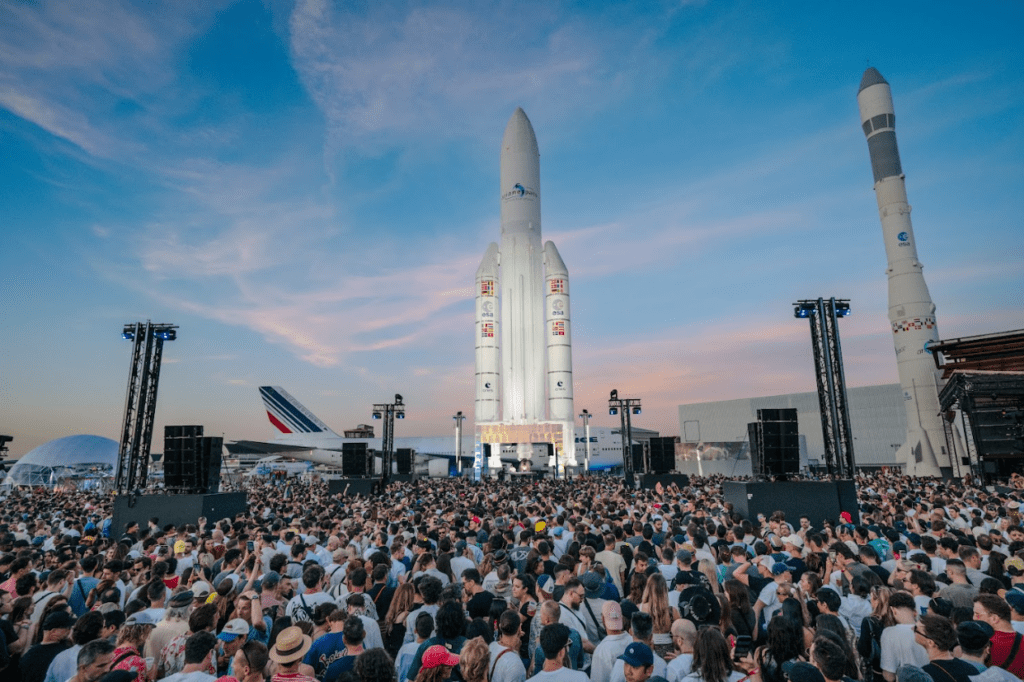
ESA AND CNES BRING SPACE EXPLORATION TO THE HEART OF THE FESTIVAL
One of the most distinctive aspects of this year’s edition was Cercle Festival’s collaboration with the European Space Agency and the CNES, reinforcing Cercle’s vision of reimagining iconic locations through music and cultural storytelling.
Together, the partners introduced “Cupola,” an immersive space dome dedicated to science, exploration and sensory experiences. The installation featured a curated program of conferences, exhibitions, virtual reality experiences and conversations with astronauts, scientists and artists, creating an accessible and engaging bridge between space culture and younger generations.
Across the weekend, Cupola hosted a series of interdisciplinary talks exploring the intersection between space, sound, technology and human imagination. Topics ranged from planetary science and astronaut training to ethics, nutrition in space and the future of interstellar communication. Highlights included Sonic Journey Through the Solar System with planetary scientist Baptiste Chide and artist Enfant Sauvage, Sounds of Ariane 6 with ESA and CNES launch experts alongside artist LP Giobbi, and Train Like an Astronaut led by astronaut instructor Laura André-Boyet. The program also featured more speculative and cultural discussions such as I Met an Alien?, The Fifth Element with French composer Eric Serra, and The 2026 Golden Record, imagining how humanity could communicate its culture beyond Earth.
Blending scientific insight with artistic reflection, the conferences transformed the Cupola space into one of the festival’s most unique cultural experiences, encouraging audiences to engage with space exploration through an emotional, immersive and contemporary lens.
HOW TO SPREAD CULTURE AND MAKE IT VIRAL
The festival officially opened with a special video message from ESA astronaut Sophie Adenot, recorded aboard the International Space Station during the εpsilon mission. Published simultaneously by Cercle, ESA, CNES and Sophie Adenot, the announcement quickly generated more than 500K views across social platforms within its first hours online.
But the viral momentum did not stop there.
Throughout the weekend, social media platforms were flooded with content from the festival, shared not only by attendees but also by artists, electronic music media, influencers and major Instagram pages around the world.
Artists themselves played a central role in shaping the online narrative of the weekend. From Michael Bibi’s emotional crowd moments, to ARTBAT performing beneath the A380 stage while thousands of people sang “Somebody That I Used To Know” in unison, to Indira Paganotto jumping alongside the crowd to the sound of “Everybody Jump,” the festival generated a continuous stream of highly shareable moments that quickly circulated across platforms.
Beyond the performances themselves, Cercle’s strength also lies in its ability to transform fleeting live moments into lasting cultural imagery through cinematic storytelling and high-level production. From the very beginning, the brand built its identity around visually striking music streams, combining electronic music with film-quality direction, ambitious scenography and emotionally driven narratives.
Founded by a cinema enthusiast deeply connected to electronic music culture, Cercle was born from the desire to create an intersection between music, film and extraordinary locations. That vision continues to define the project today: not only creating events, but capturing them in a way that allows audiences around the world to experience and remember them long after the music stops.
A GASTRONOMIC COLLABORATION WITH CHEF JUAN ARBELAEZ
Further strengthening this cultural dimension, Cercle Festival collaborated with renowned chef Juan Arbelaez to curate a gastronomic offering designed specifically for the event.
The collaboration brought together chefs, food concepts and culinary creators in a way that reflected the festival’s broader identity: a meeting point between music, creativity and contemporary culture. By integrating gastronomy into the heart of the festival experience, Cercle continued to position itself as a cultural platform extending beyond electronic music alone.
Throughout the weekend, festivalgoers discovered a diverse food selection imagined in collaboration with Arbelaez, contributing to the immersive and communal atmosphere that defined the event.